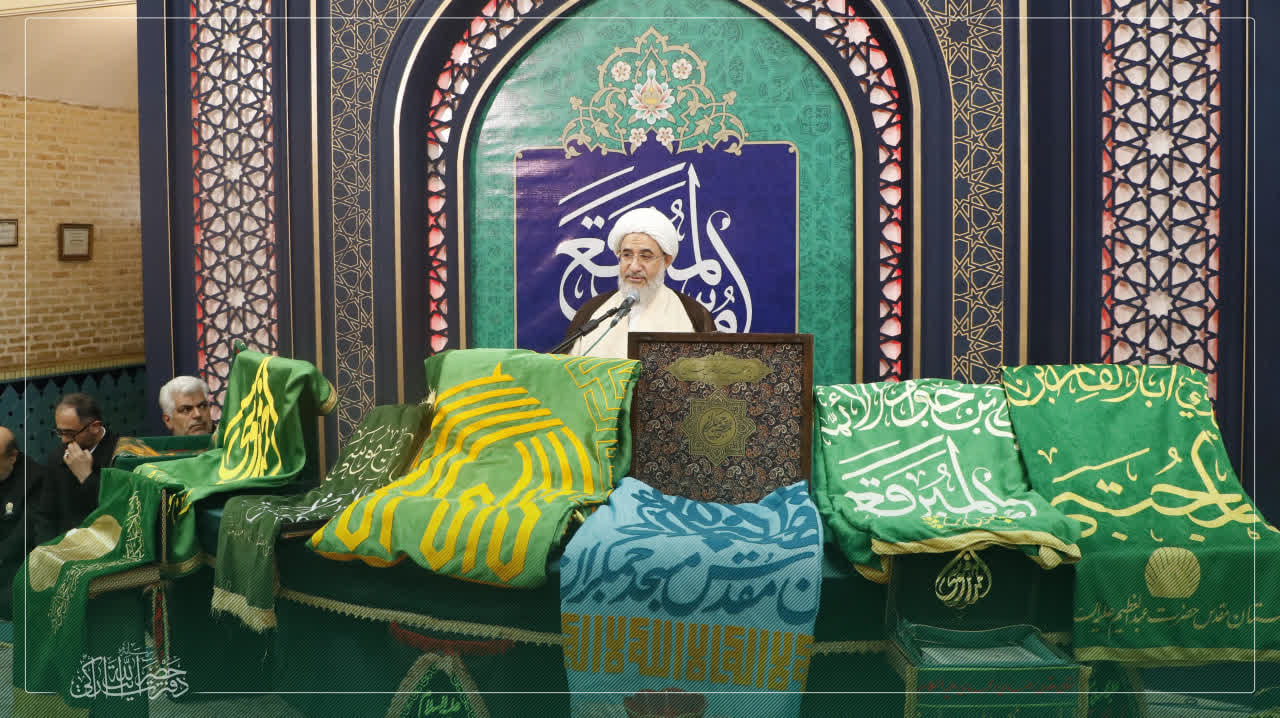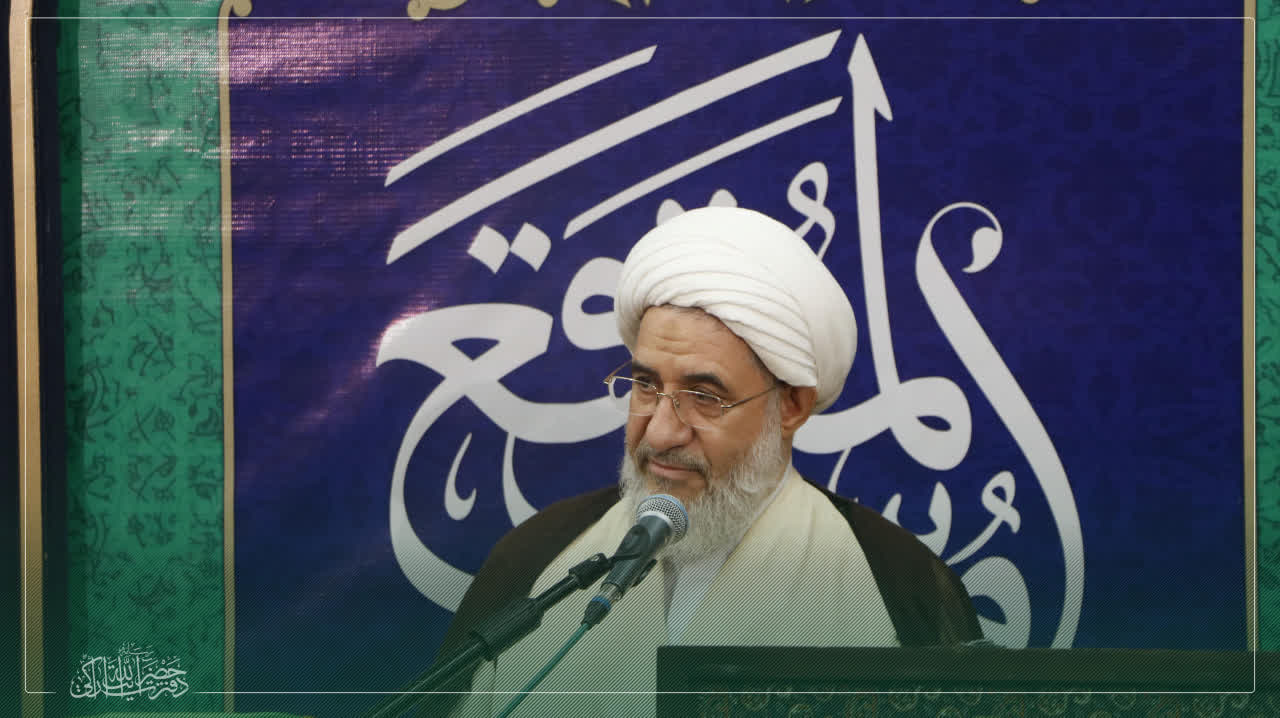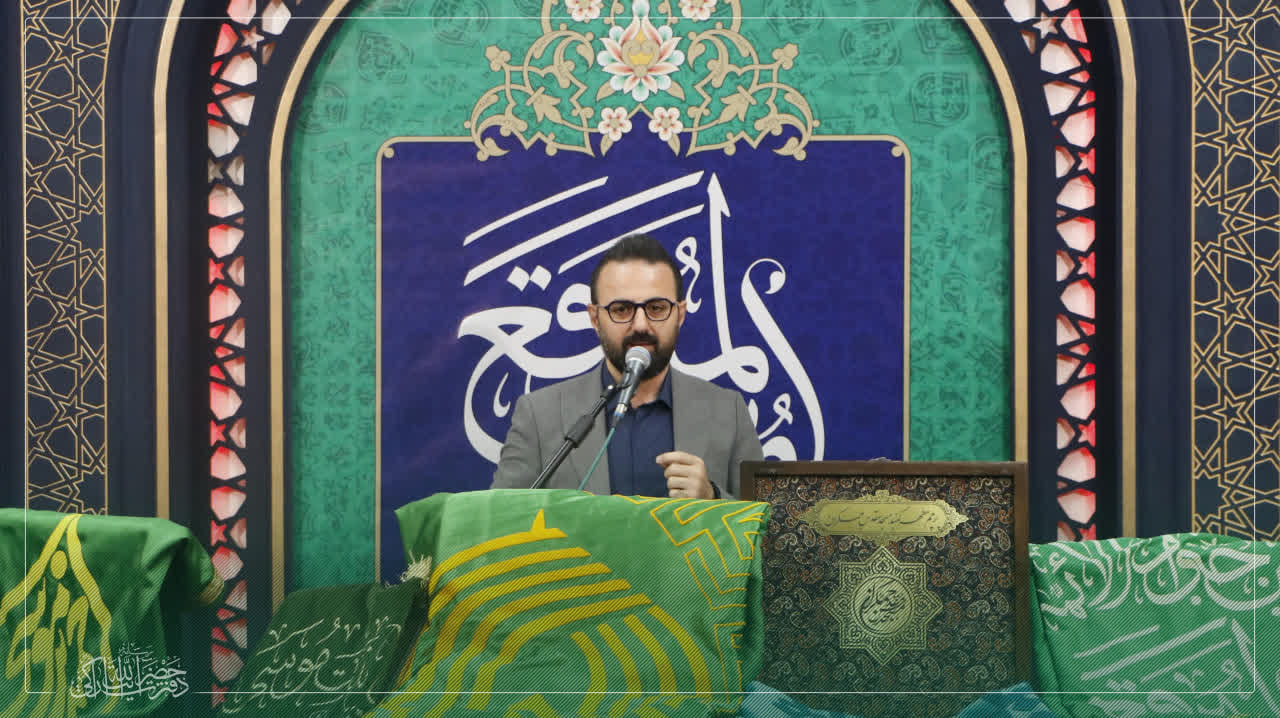
Attendance and Speech of Ayatollah Araki at the Dusting Ceremony of the Holy Shrine of Imamzadeh Musa Mubarqa (peace be upon him) on the Anniversary of His Passing
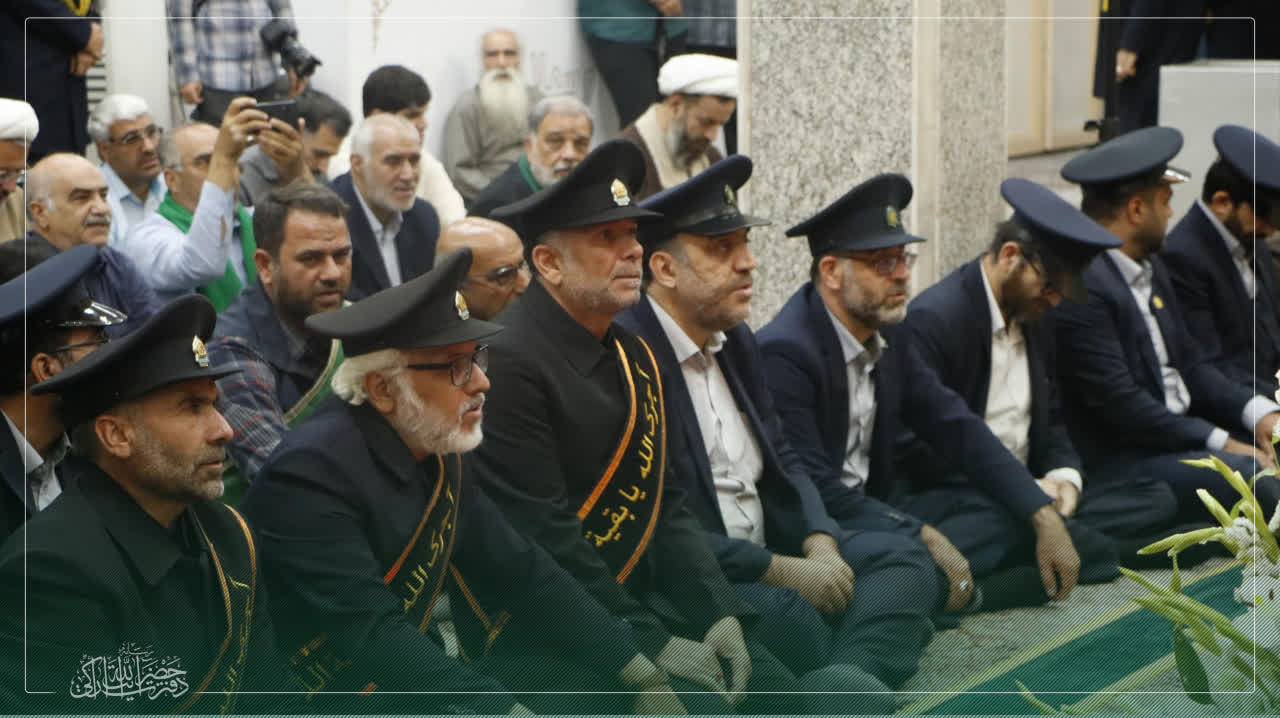
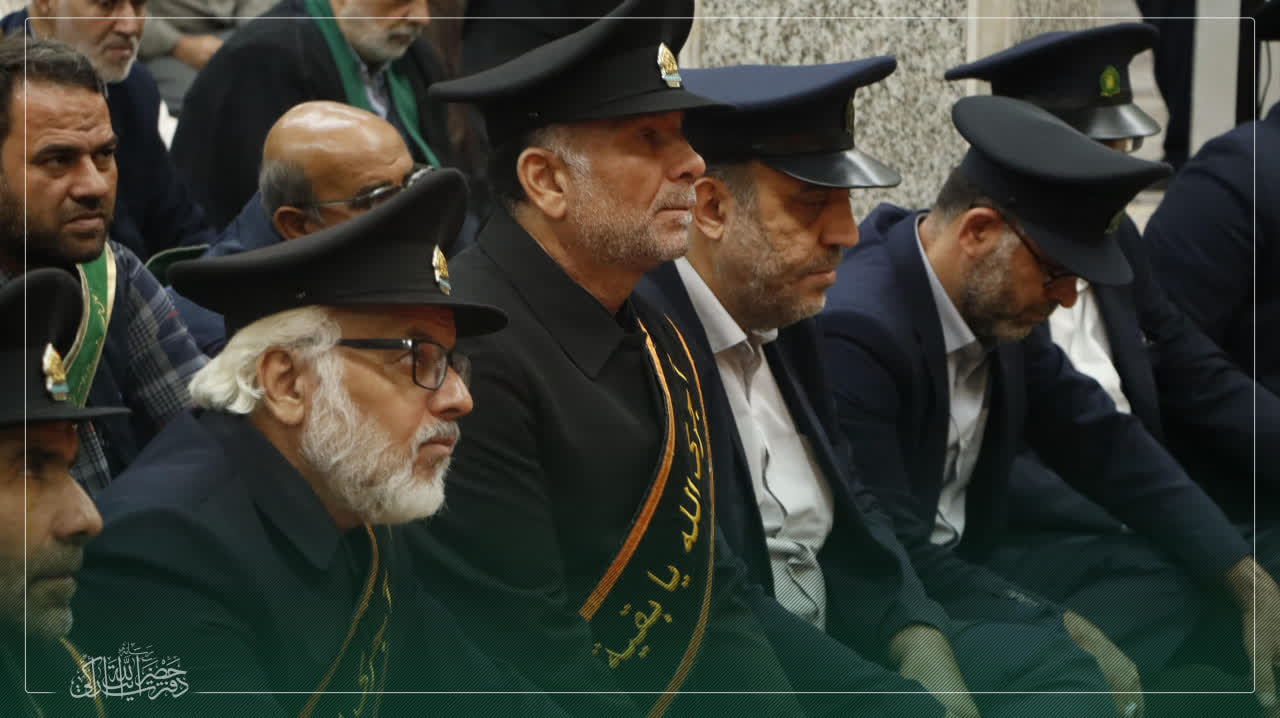
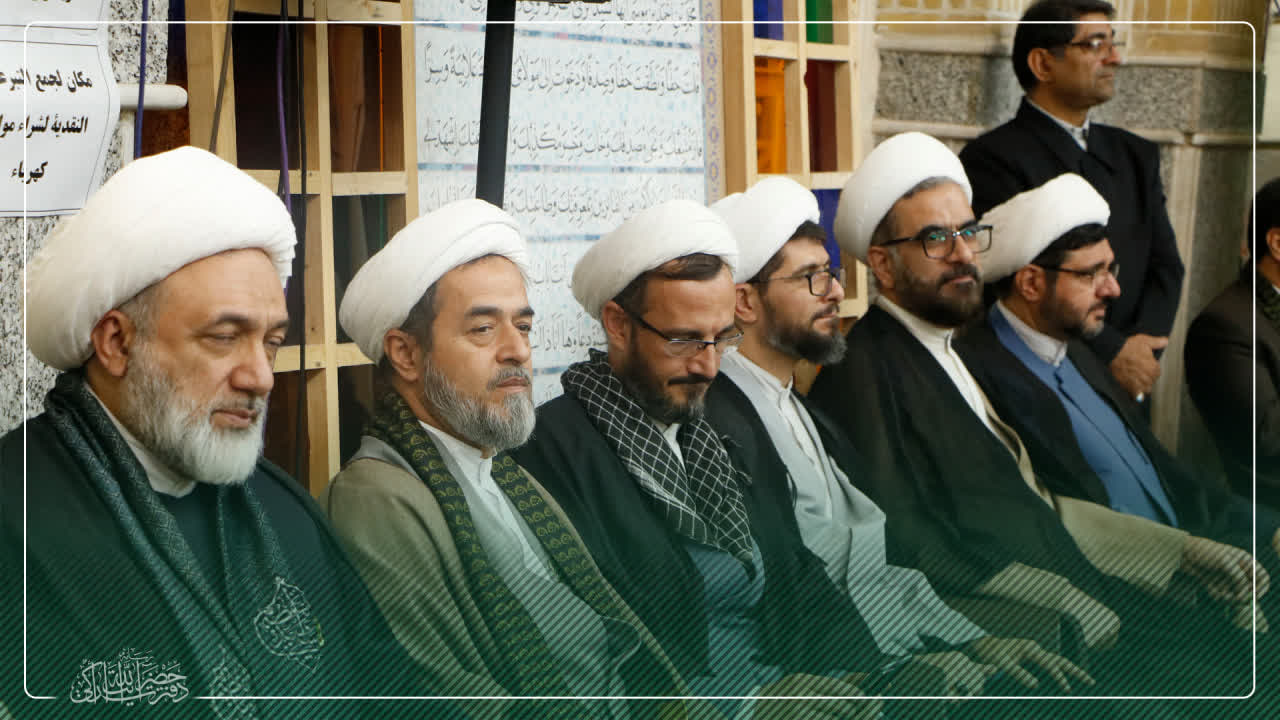
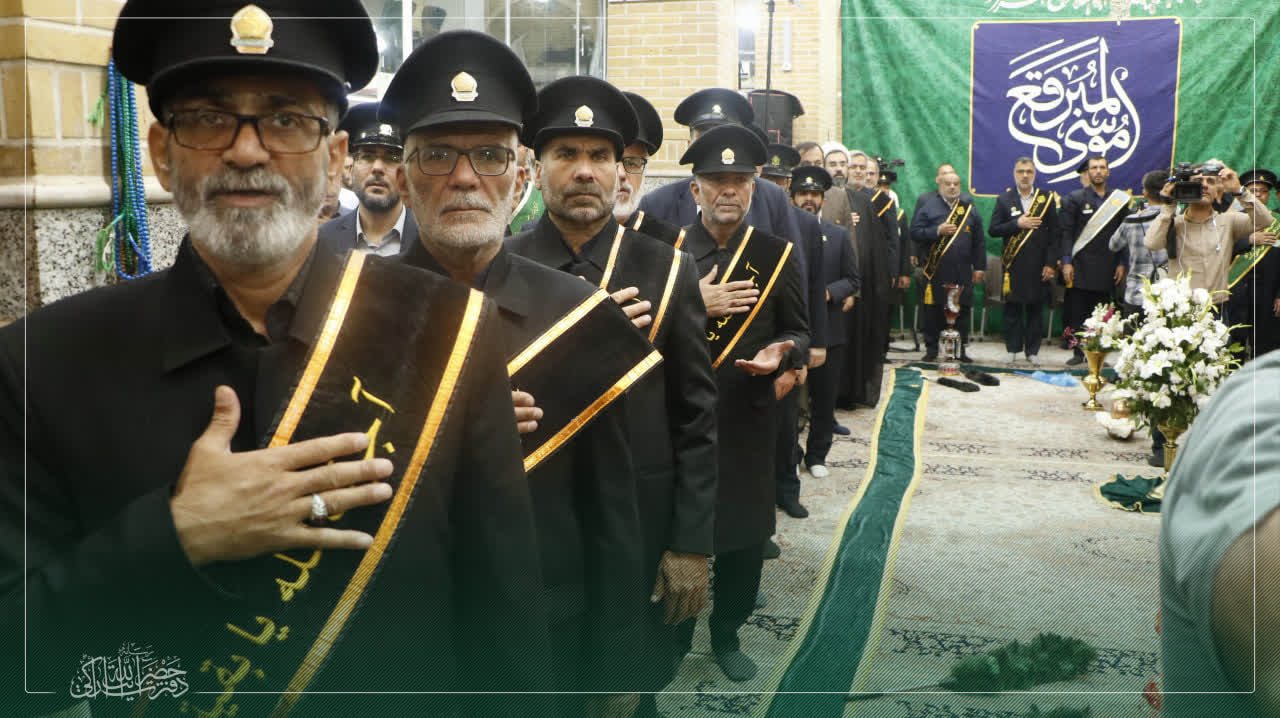
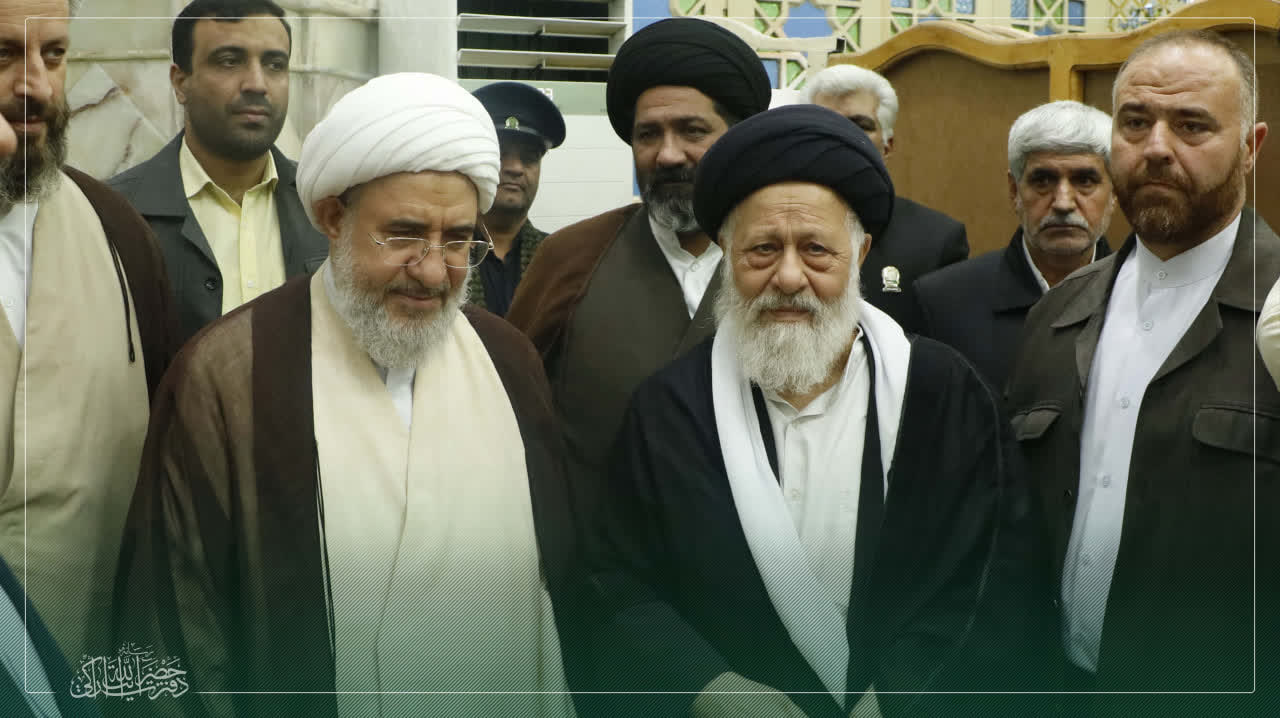
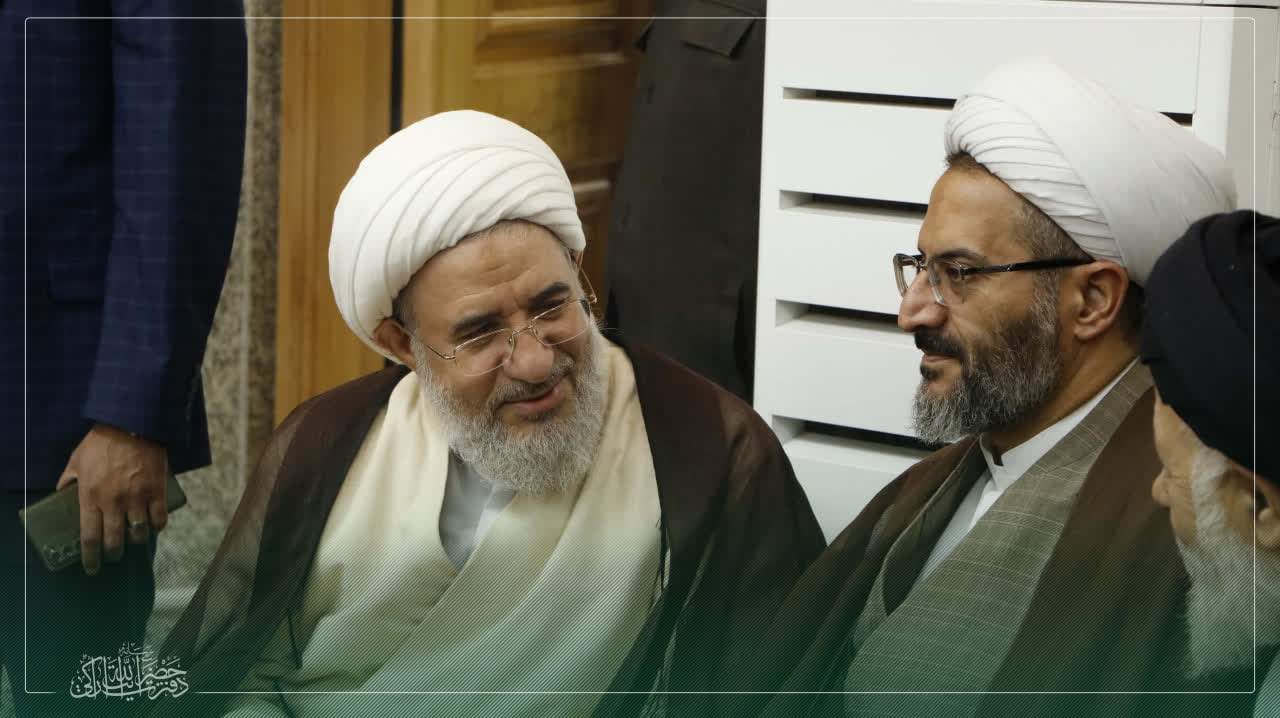
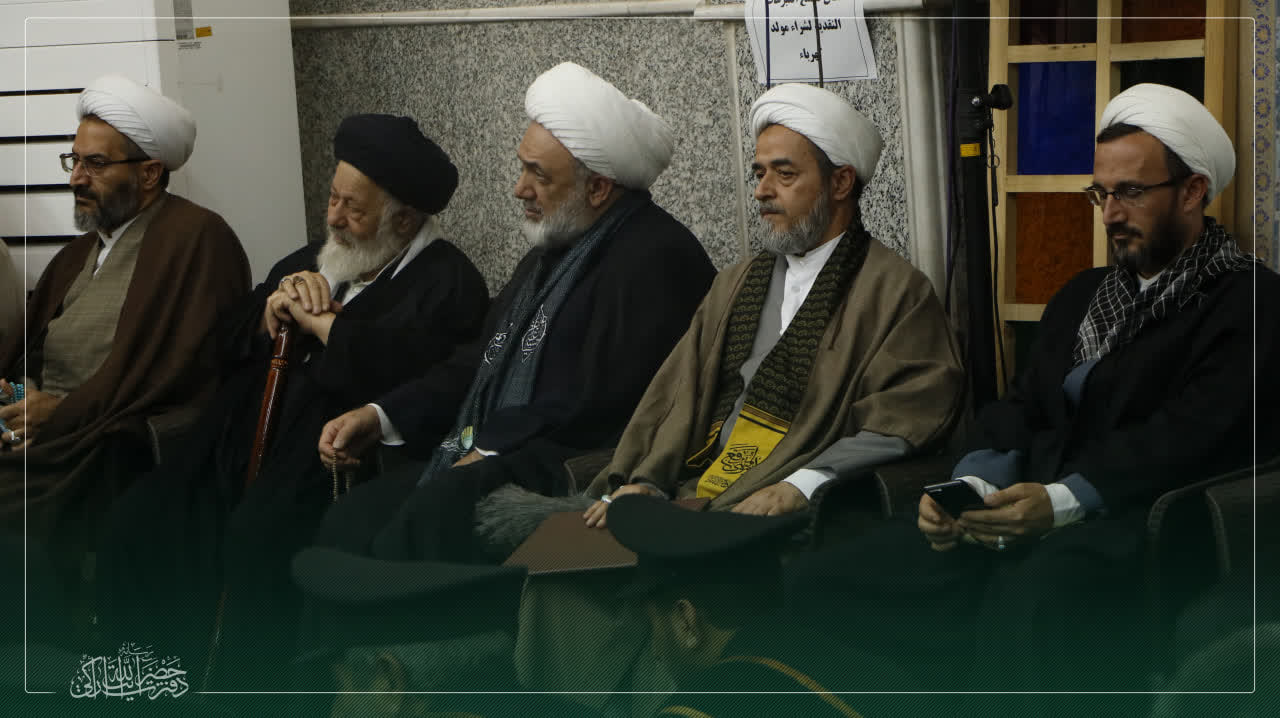
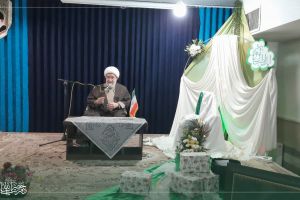
The ceremony was held at the sacred shrine of Imamzadeh Musa Mubarqa (peace be upon him) in Qom, attended by a number of clerics, servants of the shrine, and the faithful.
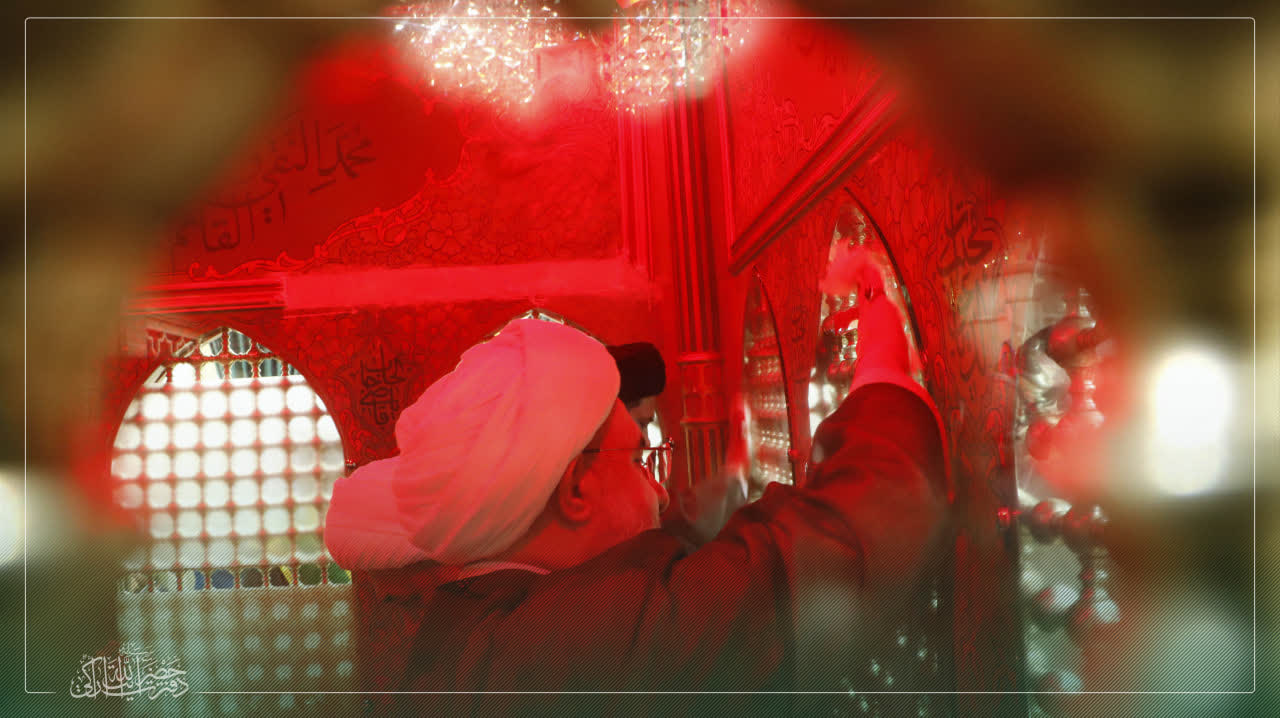
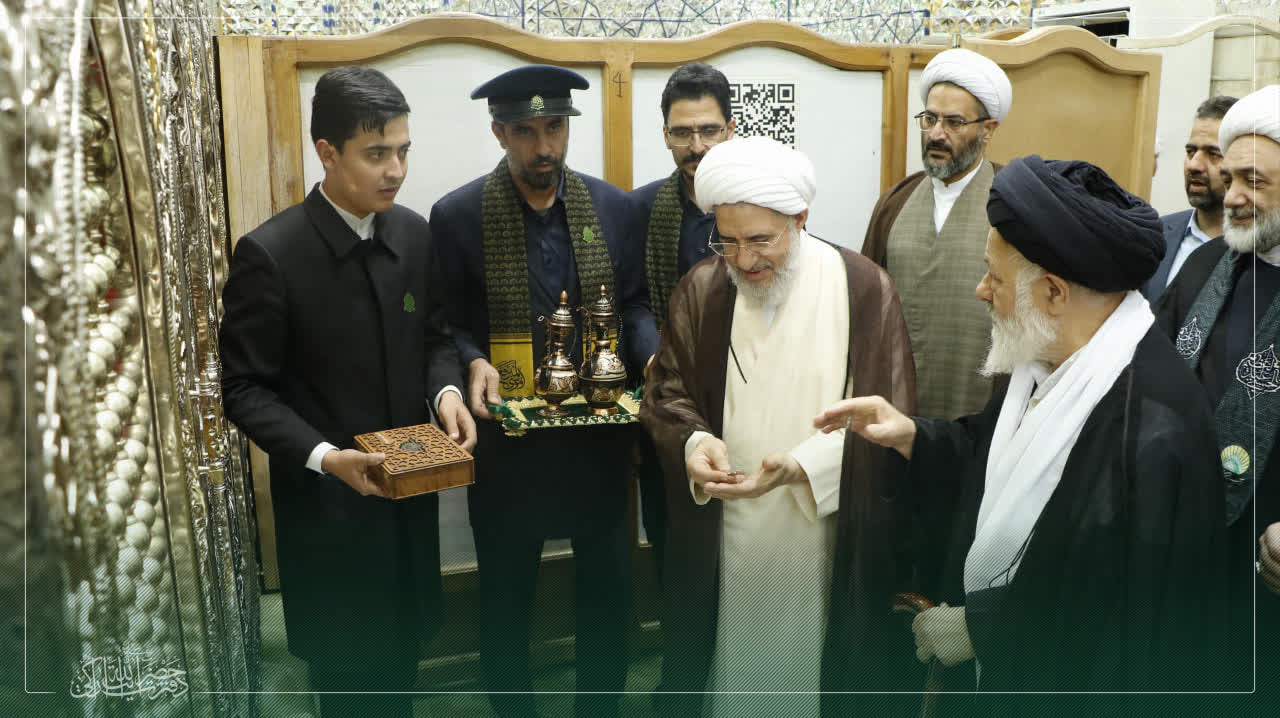
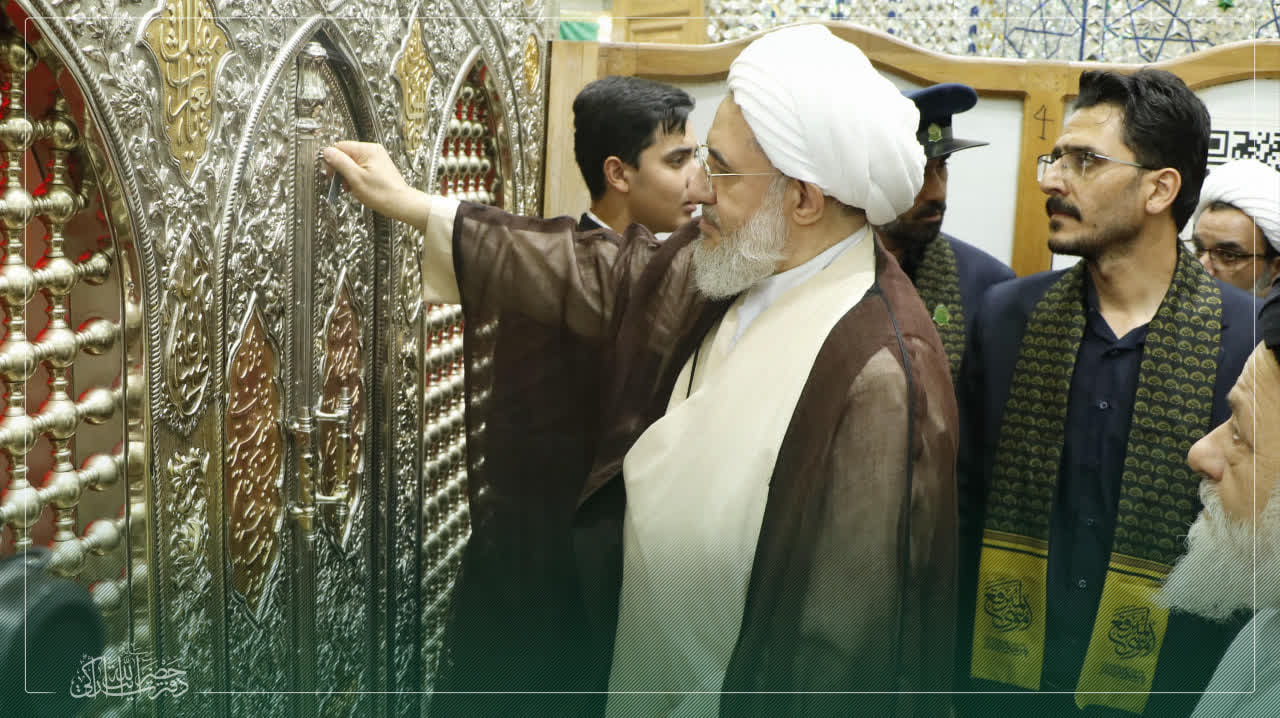
Following the speech and the recitation of elegies, the ritual of dusting and cleansing the sacred enclosure of Imamzadeh Musa Mubarqa (peace be upon him) was performed.
During the ceremony, the participants expressed their respect and devotion to this blessed shrine by sprinkling rosewater.
Honoring the Imamzadehs Is a Manifestation of Revering Divine Symbols
Ayatollah Araki described honoring the Imamzadehs as a practical expression of revering the divine symbols, emphasizing that visiting the sacred shrines of prophets, their successors, and their descendants connects us to the ever-flowing fountain of light and life.
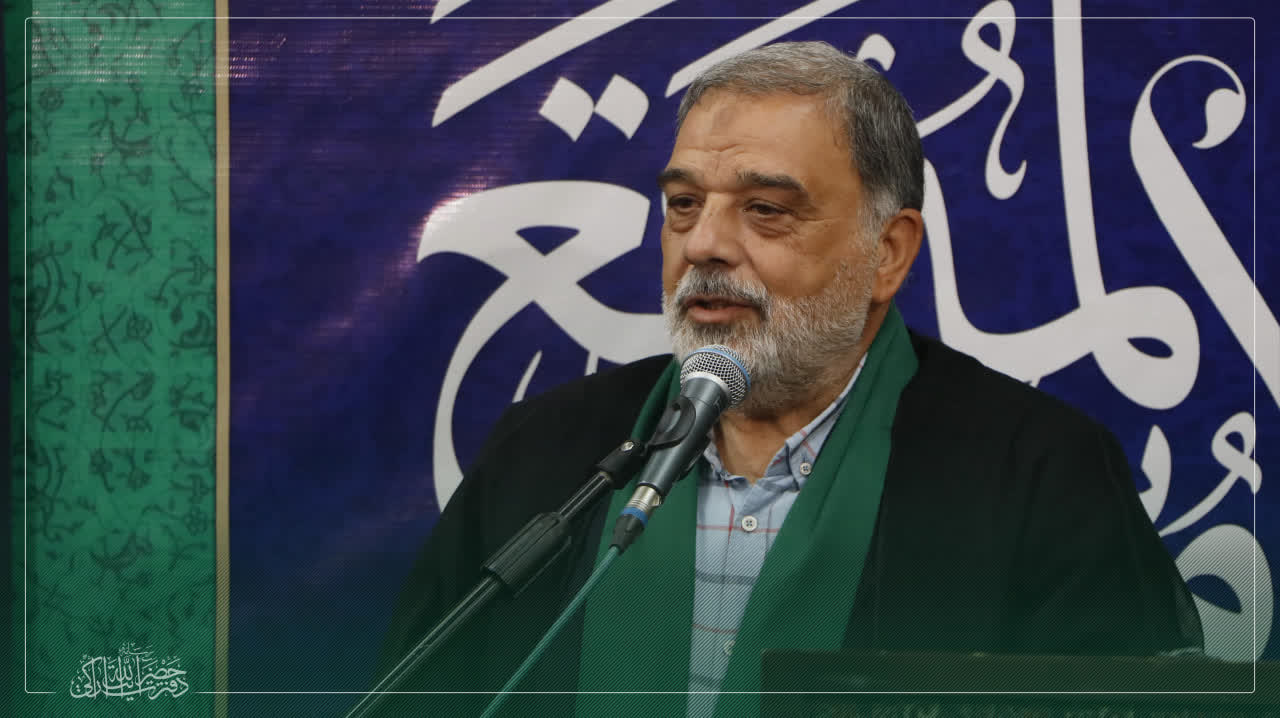
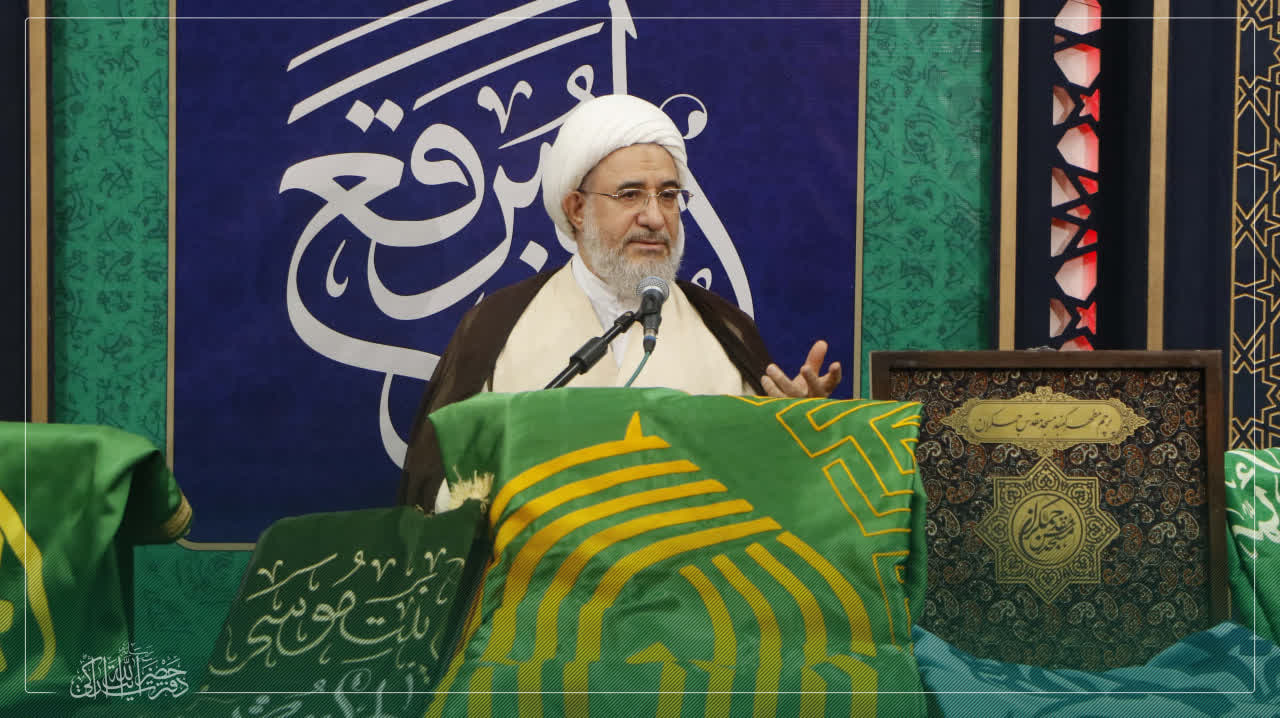
According to the Public Relations Office of Ayatollah Araki, His Eminence delivered a speech today at the spiritual ceremony of dusting the holy shrine of Imamzadeh Musa Mubarqa — the direct son of Imam Muhammad al-Jawad (peace be upon him) — in Qom.
Referring to the concepts of light and darkness in the Qur’an and traditions, he said: “God Almighty has introduced light as the opposite of darkness in the Holy Qur’an. In other words, based on verses such as ‘Allah is the Light of the heavens and the earth,’ the Almighty God is the source of all light in existence, and this divine light manifests in certain places and houses.”
He continued: “It is narrated that when the Prophet (peace be upon him) was asked about the houses in which the light of God is manifested, he replied that they are the houses of the prophets and their successors. When asked whether the house of Ali (peace be upon him) and Fatimah (peace be upon her) is among them, the Prophet answered in the affirmative, saying that the best of these houses is the house of Ali and Fatimah.”
He then pointed to the concept of remembrance (dhikr) in Islamic teachings and said: “Remembrance of God is the foundation of human social life; if humanity seeks a healthy society, it must be a society of remembrance — not of negligence and forgetfulness.”
Ayatollah Araki further described salawat (sending blessings upon Muhammad and his family) as one of the greatest forms of remembrance, adding: “One of the unique distinctions of the followers of the Commander of the Faithful, Imam Ali (peace be upon him), is this very remembrance.”
He then referred to the notions of life and death in religious texts, stating: “Human beings face two kinds of life: one enveloped in darkness, heedlessness, and death — and another illuminated by light, remembrance, and true life.”
Citing the verses ‘Indeed, the righteous will drink from a cup whose mixture is of Kafur, a spring from which the servants of Allah drink, causing it to gush forth abundantly’ (Surah Al-Insan), he said: “In this chapter, God speaks of the pure household of Imamate and mentions a spring that gushes from within that house, described as the ‘spring of purity.’”
He emphasized: “The houses connected to Ali (peace be upon him) and Fatimah (peace be upon her), including the houses of the Imamzadehs, are all sacred. Therefore, when one is blessed to visit these shrines, engaging in prayer, supplication, and worship is a way of entering the realm of divine remembrance.”
Ayatollah Araki added: “Every worldly impurity is a cause of true spiritual death. Yet remembering the prophets and successors, sending peace upon them, and visiting their sacred shrines connect us to the ever-flowing fountain of light and life.”
Concluding his remarks, he said: “Honoring these noble figures is a sign of reverence for the divine symbols — for they remind us of God.”